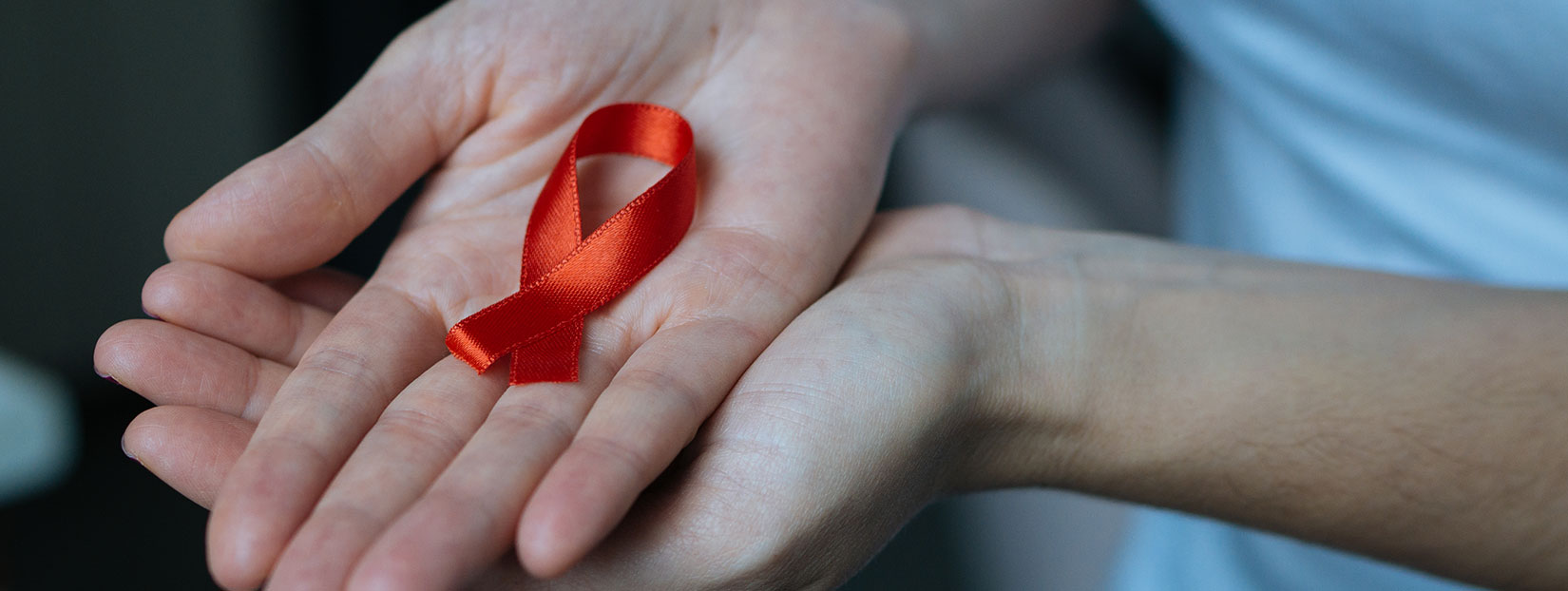
On 1 December, people around the globe will pause and recognise World AIDS Day, commemorating the 40.4 million people who have lost their lives to HIV/AIDS.1 The day also marks an opportunity for people to unite in the fight against HIV and to show support for the over 39.9 million people living with this disease.2
Because HIV infects cells of the human immune system and destroys or impairs their function, the immunodeficiency caused by the HIV retrovirus makes patients much more vulnerable to other diseases. The result of this immunodeficiency causes AIDS, which is a more advanced stage of the HIV infection.3 COVID-19 slowed research to help treat HIV/AIDS as healthcare resources were focused on the pandemic. However, there is hope in new research: Columbia University researchers are focused on developing antibodies that prevent HIV transmission, potentially helping protect at-risk groups better by stopping the spread of the disease.4
Starting treatment early for someone infected with HIV can mean a greater chance for living a full, healthy and productive life. By spreading awareness and dispelling myths about HIV/AIDS, we can all be a part of supporting those with the disease and advance work toward a cure.
UnitedHealthcare Global's BeHealthy coverage extends to HIV/AIDS, providing comprehensive support for members. This includes exceptional coverage for necessary treatments and outpatient prescriptions, all of which are captured under the HIV/AIDS Core plan benefits. Our goal is to ensure that members have access to the care they need to manage their health effectively and return to their daily lives as soon as possible.
Sources:
1: https://www.who.int/data/gho/data/themes/hiv-aids
2: https://www.unaids.org/en
3: https://www.unaids.org/en/frequently-asked-questions-about-hiv-and-aids#what-is-aids
4: https://www.cuimc.columbia.edu/news/future-and-end-aids