
Author: Dr. Shoba Subramanian, Medical Director, Europe, UnitedHealthcare Global
From diminished productivity to missing an entire day of work, workplace drinking can be an enormous cost for businesses.1 Bearing this in mind, employers can play a vital role in helping to reduce alcohol consumption by employees both in and out of the workplace.
As the World Health Organisation has noted, globally, 3 million deaths every year are caused by the harmful use of alcohol, and it is a contributing factor in over 200 diseases and injuries.2 There are several signs that may point to an employee struggling with alcohol use. Examples include frequent lateness, overuse of sick leave and unexplained or unauthorised absences.3 If any of these behaviours are observed, it is important to make colleagues aware of any available resources or programmes.
Here are five strategies employers can consider to help improve employee wellbeing and encourage a healthier relationship with alcohol:
- Strike a balance
Social events are a great way to lift spirits and strengthen relationships across the workplace. These events can often include both alcoholic and non-alcoholic drinks. However, it is important that every business has its alcohol workplace policies in place to avert any potential misunderstanding. Formalising these policies in a place where employees can access them, such as in a handbook or on a company internal website, is a first step to help ensure every employee knows what is expected of them.
- Provide free and confidential support
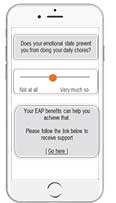
Employers should also provide access to Employee Assistance Programmes (EAP) and other types of support to assist those who may be struggling with their alcohol use. Offering access to healthcare professionals and consultations (if necessary) can help to build a strong and supportive culture. For example, through UnitedHealthcare Global, employers can provide the LiveWell platform and direct eligible employees to a range of EAP resources designed to support mental health, including issues such as depression, anxiety and stress, and substance abuse.4
- Host alcohol-free social events
Gatherings with colleagues are a fun opportunity to relax and strengthen colleague relationships. To support that, employers can make a commitment to diversify the type of social events that are organised. Rather than going to the bar, arranging alternative forms of social activities is an excellent way to raise morale and enhance employee wellbeing too. Stressrelieving activities, from pottery making to group cooking classes to bowling, may provide amusing alternatives to workplace drinking. For assistance, UnitedHealthcare Global’s My Wellbeing programme offers various alcohol-free activities to keep employees involved.
- Shake up office "happy hours"
Employees often feel obliged to drink if alcohol is supplied during a work-related event, so shaking up happy hour with alcohol-free alternatives can reduce consumption. Other alternatives for happy hour could include serving gourmet snacks and fruit, or even arranging a fun activity for entertainment to encourage employees to come together for a social event.
- Take part in global initiatives
Encouraging your workplace to take part in initiatives such as Alcohol Awareness Week, which takes place each March, can help raise employee understanding of alcohol-related issues. Engaging openly and positively with the topic is a great chance to raise awareness of any potential issues inside the workplace.
Ultimately, it’s all about striking a balance and encouraging a healthy relationship with alcohol. Whether it is providing an alcohol-free happy hour, training courses for employees, or initiatives to target stress, these are fantastic first steps to create a comfortable and positive workplace environment.
Discover additional resources available:
Sources:
1 https://alcoholchange.org.uk/alcohol-facts/fact-sheets/alcohol-in-the-workplace
2 https://www.who.int/news-room/fact-sheets/detail/alcohol
3 https://www.reassured.co.uk/feeling-stressed/
4 https://www.opm.gov/policy-data-oversight/worklife/reference-materials/alcoholism-in-the-workplace-a-handbook-for-supervisors/